

Cyberbullying requires new tools on the part of schools, and it may also require a shift in our attitudes about where schools’ responsibility begins and ends.
The Visalia Unified School District in California adopted an anonymous reporting tool in order to give students and their families more opportunities to report instances of bullying and cyberbullying, the Visalia Times-Delta reports.
The WeTip tool is one of many new-age tools needed by schools to combat cyberbullying. It’s available through the district’s website, or students can call a phone number if they don’t have Internet access. A nearby district uses another tool, Sprigeo, which serves the same function of opening channels of communication from kids who are being bullied to school officials who can possibly do something about it.

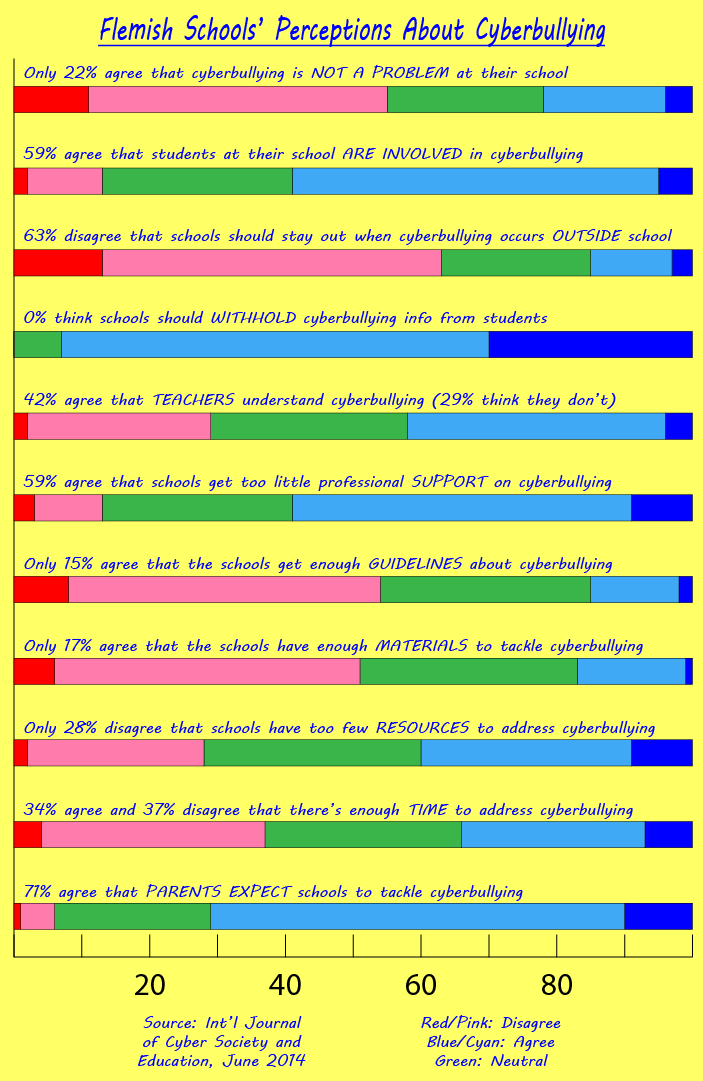
Complaints about cyberbullying occasionally come in from outside school hours, such as when a post on Facebook, Instagram, Twitter, etc., gets around and hurts a student. In other words, the act of cyberbullying doesn’t take place at school or during school hours, but the escalation of that cyberbullying bleeds into the school day and can destroy a student’s ability to function at his or her best in school. In California, schools can intervene after finding a connection to the school through an investigation.
“If there is a connection to school, we can legally do something,” Mimi Bonds, Visalia’s director of student services, was quoted as saying about intervening when social media is at the center of the issue. “But it has to legally have a connection to school. If a text was sent during the school day to another student, that’s the connection to the school and we can legally do something with it. With social media and the challenges it presents, we have to be diligent in our investigation to make sure it’s connected to school.”
A study earlier this year from Belgium, represented by the graph at the top of this article, showed that 13 percent of school leaders strongly disagreed and 50 percent disagreed with the statement, “It is not the responsibility of the school to help solve cyberbullying that takes place outside school (hours).” This opinion is in contrast to laws in most US states, with the possible exception of New Hampshire, and more study is needed on this subject.
“Many [Flemish] schools consider it their duty to inform students about cyberbullying and to help find a solution for cyberbullying incidents involving students, even if they take place away from the school grounds or outside of school hours,” wrote Heidi Vandebosch et al. Look, most cyberbullying doesn’t happen during school hours or when the bully and victim are in school. But the bullying can have a negative impact on school for both the bully and victim.
Most tips about preventing bullying focus on measures to be taken at the school or classroom level: How can we help students feel safe at school? How can we prevent injury to students or psychological torment while they’re in school so they can learn their school subjects?
But bullying is better understood as a group phenomenon, say Siân Emily Jones, Antony Manstead, and Andrew Livingstone from the UK in their January article published in Frontline Learning Research. In addition, they conclude:
- Social identity theory gives a framework for how peer group processes might maintain or resist bullying.
- Much work on bullying in groups has been scenario-based experimental research. School officials generally intervene at the school or class level, rather than at the friendship group level.
- Teachers can provide rich accounts of bullying that show the group processes that support or resist it. Their accounts may point to ways in which bullying can be addressed at the peer (friendship) group level.
Additional tips about cyberbullying from the National Center for Missing and Exploited Children can be found here.
Study the Flemish survey. Then conduct a similar survey among teachers in your school. What differences did you find in schools’ perception of cyberbullying, and how might those differences be explained? See Common Core math standards HSS.IC.A-B for more information.