


A century after its 1925 debut, F Scott Fitzgerald’s The Great Gatsby continues to captivate readers — including today’s high school students. One such student is Lily Johnston, a sophomore at Ben Davis High School in Indianapolis. She recently shared a thoughtful review of the novel, showing how its themes of longing, illusion, and social divide still speak to young people navigating their own modern world.

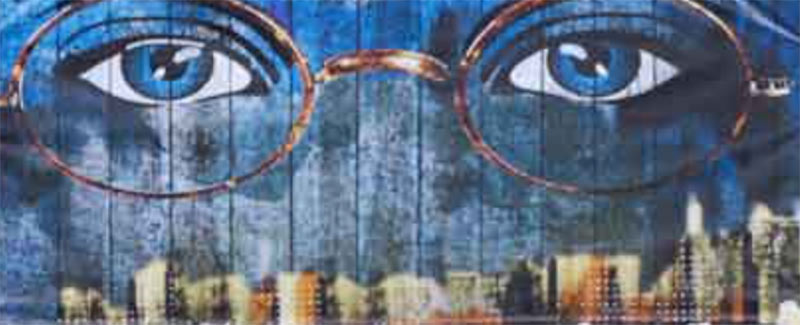
Her review notes the way Fitzgerald’s symbols — the haunting green light, the desolate Valley of Ashes, and the ever-watchful eyes of Doctor TJ Eckleburg — invite readers to reflect on ambition, morality, and the gap between dreams and reality. While steeped in the glitz and moral looseness of the Roaring Twenties, the novel’s struggles with wealth, status, and unattainable ideals feel startlingly relevant in the age of Instagram and endless online comparison.
For some young readers, part of the allure is that The Great Gatsby transports them to another time — a 1920s America their parents, grandparents, and even great-grandparents never knew firsthand. And in an era when social media algorithms can trap teens in comfortable but narrow echo chambers, literature like this can widen their view, carrying them beyond their immediate world and into a landscape of very different values, voices, and visions.
Classic literature is not dead. As long as students like this reviewer continue to explore it with fresh eyes, these enduring stories will continue to spark imagination and conversation — and perhaps even inspire the next great American novel.