


At Bremen High School in Midlothian, Illinois, members of the World Language Club recently stayed after school to decorate their foyer for Hispanic Heritage Month. Their efforts were small, but symbolic: a celebration of voices and traditions that have shaped this country, whether through food, music, or generations of contributions to American life.
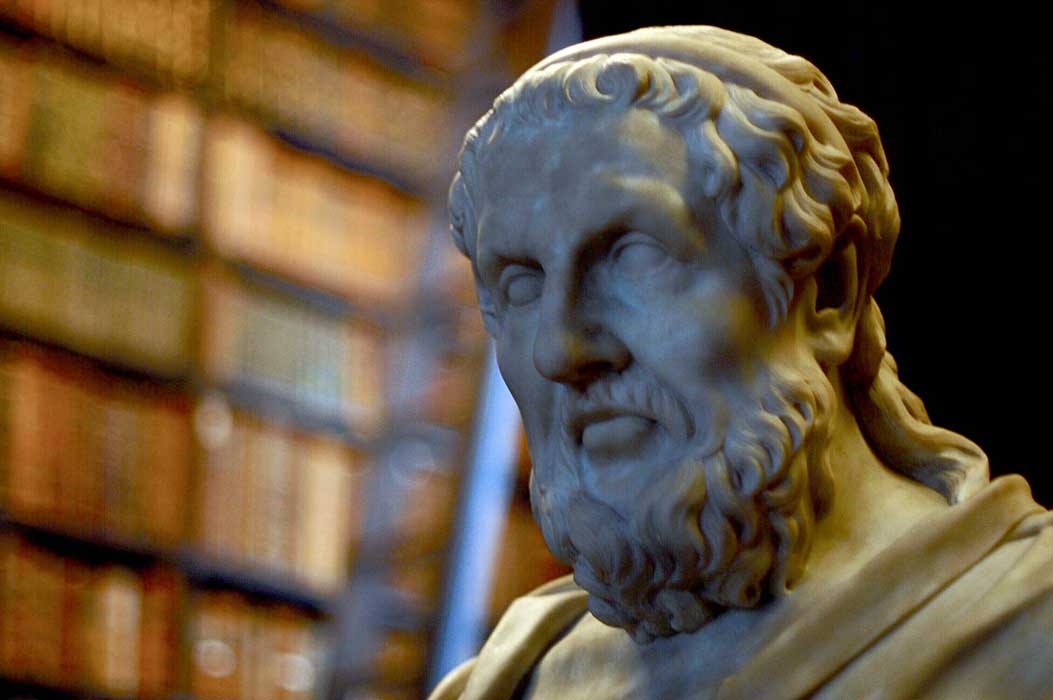
At Hinsdale Central, just a half hour’s drive away on the Tri-State Tollway, another group of students is gathering to talk about ideas. The Philosophy Club, founded by senior Bill Bradford, doesn’t bury itself in textbooks or dry lectures, report Emmett Marcet, Sofia Nucifora, and Willa Braden in the school’s student newspaper.
Instead, students take ancient thinkers and bring them into today’s pop culture, linking Machiavelli’s The Prince to the moral ambiguity of the TV show Dexter. The result? Students leaving a meeting with perspectives they didn’t have when they walked in.

Editorial
Both clubs embody what’s best about free expression in America: learning from people unlike ourselves, listening with respect, and sometimes disagreeing without contempt. You don’t have to be an expert in Plato or Aristotle to join. You don’t even have to agree with your classmates. What matters is that you show up willing to hear another viewpoint and walk away with your imagination broadened.
These student clubs are reminders of what’s at stake. Political violence has claimed another life, and rhetoric is rising to a fever pitch. In response, Utah’s governor, Spencer J Cox, called for this to be a “watershed moment,” urging leaders from both parties to stand together against the idea that killing or intimidation has any place in American politics.
Many have noted that Charlie Kirk advanced rhetoric meant to intimidate those with whom he disagreed. That doesn’t mean he deserved what he got — he didn’t. But it’s a cautionary tale about how intimidation can escalate. His “professor watchlists” resulted in violent threats against educators who, like him, were using their knowledge and understanding to promote ideas they believed in. In a country where guns are widespread and military troops walk our city streets, a metaphorical “watchlist” can all too quickly become a literal “hit list.”
Utah’s governor is right. Whether this moment marks the beginning of an even darker period or the end of one depends entirely on us.
The rule of law, not the rule of men, defines this nation. We may disagree with Mr Kirk, President Trump, President Obama, or any political figure, but disagreeing is not the same as dehumanizing. We can listen, challenge, debate, or even walk away. What we cannot do is kill or threaten people for their ideas.
Students in Illinois are showing us how it can be done: celebrate heritage, connect the old with the new, argue vigorously but respectfully, and maybe even share donuts while you’re at it.
Their clubs won’t make national headlines. But maybe they should. They point us toward the kind of civil discourse that might just save us from ourselves.