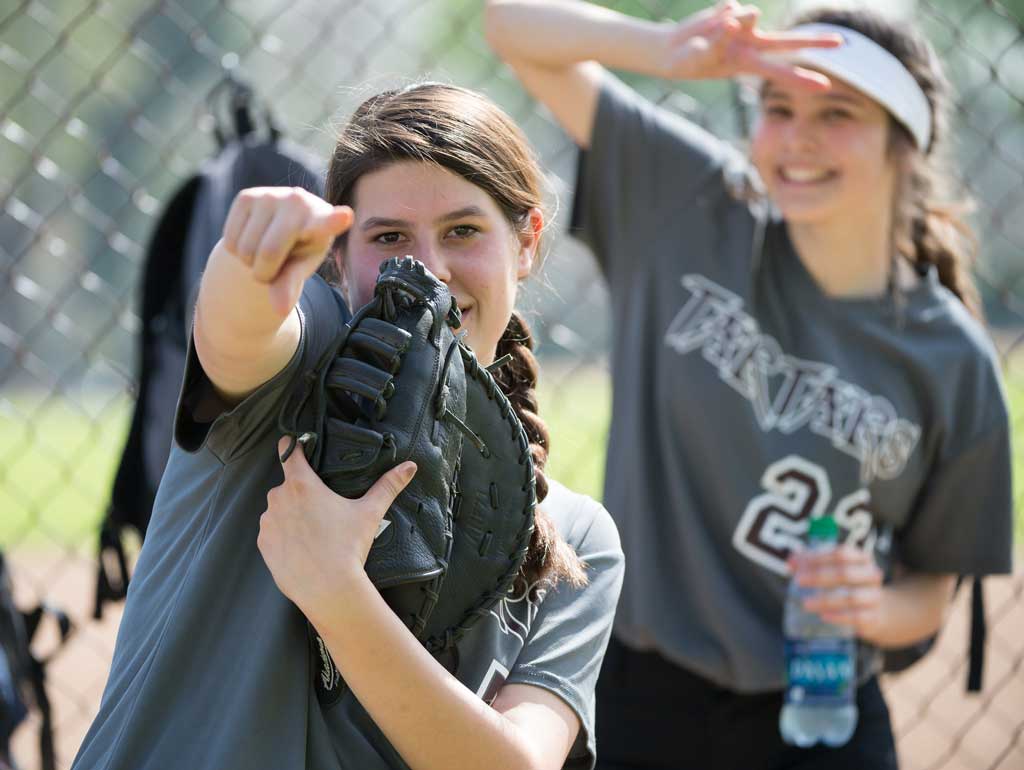
For the athletes at Lakeland High School in Rathdrum, Idaho, the 2025–26 season has been defined by a “sisterhood” that extends far beyond state lines, writes Katie Dewey in the school’s student newspaper.
The school’s sports programs have used long-distance travel, including a 16-hour van ride to St George, Utah, to expose players to a diverse array of competitive environments. Whether facing elite California basketball programs or high-speed Utah softball teams, these trips provide a “different perspective” that local play just can’t replicate.
The value of these excursions lies in the strong team bonding that occurs outside the lines of play. By eating every meal together and attending college-level games as a group, players like sophomore Reece Dutton noted that the team moved past “separate groups of friendships” to form a singular, cohesive unit.
This off-field chemistry is designed to translate directly into on-field performance, turning a collection of teammates into a unified force capable of competing against much larger schools.
The science of the 16-hour van ride
Why intense team bonding off the field is the secret weapon for Lakeland High’s most successful season yet:
The true value of these long-distance athletic trips lies in the “pressure cooker” of shared experience, where the physical and mental rigors of travel force a team to evolve from a roster of athletes into a singular, resilient culture. When a team like Lakeland High spends over 16 hours in a van or shares every meal from sunrise to sunset, the social barriers that typically exist in a high school hallway (cliques, age gaps, and “separate groups of friendships”) begin to dissolve. As sophomore Reece Dutton observed, this environment offers a rare opportunity to connect at a level impossible to achieve during a standard two-hour practice.
This deep bonding serves as a critical “force multiplier” on the field. In high-pressure moments, like the high-speed competition the Hawks faced in Utah, a team that has built a “sisterhood” off the court reacts with a level of intuitive trust that can’t be coached. When players know each other’s temperaments and tendencies through hours of conversation and shared downtime, they are more likely to support one another through errors and maintain composure during a deficit.
For Coach Dwayne Curry, this cultural shift is the culmination of a four-year strategic goal. The value isn’t just in the talent on the field, but in the speed with which this particular group achieved a unified identity. “We have never had a team that has bonded this well so quickly,” he said. By stepping out of their comfort zone and into a new state, the athletes aren’t just playing a game; they’re practicing the high-level communication and collective accountability that defines a championship program.
Ultimately, the ” Hawks” are proving that the investment in travel pays dividends in character. These trips teach students how to navigate a “whole new environment,” preparing them for the diverse challenges they will face in college and their future careers. The 16-hour drive is a grueling physical task, but the resulting “sisterhood” is the foundational strength that allows the team to compete with (and beat) schools much larger than their own.
The results have been a long-awaited breakthrough for the Hawks’ coaching staff. Coach Dwayne Curry observed that the current roster has reached a level of synergy years in the making. “We have never had a team that has bonded this well so quickly,” Katie quoted him as saying, reflecting on the program’s trajectory. “It’s been our goal to be where we are right now for the past four years.”
By stepping into new environments and embracing the rigors of travel, Lakeland’s athletes are learning that the ultimate goal isn’t just a tally in the win column, but the development of life skills and lasting connections.
As the spring season continues, the “Hawk” programs are proving that while talent wins games, the “sisterhood” built in a 16-hour van ride is what sustains a championship culture.