


After a decade-long absence from many American classrooms, cursive writing is making a significant comeback across the country, USA Today reports.

In the first two months of 2026, New Jersey and Pennsylvania joined a growing list of more than 25 states that now mandate cursive instruction, reversing a trend that began in 2010 when the Common Core standards omitted the skill in favor of digital literacy and keyboarding.
“Cursive is an important skill to have, from signing legal documents to reading historical documents, including founding texts like the Declaration of Independence or the US Constitution, which were written in cursive by America’s founding fathers,” writes Seth Shaw in the student newspaper at Bellwood-Antis High School in Bellwood, Pennsylvania.
Proponents of the “cursive revival” point to a mounting body of neurological research suggesting that the fluid, connected motions of script provide unique cognitive benefits.
Studies from the University of California, Riverside, and the Norwegian University of Science and Technology indicate that learning cursive enhances brain development in areas related to language, memory, and fine motor skills. Unlike typing or separate block printing, the continuous flow of cursive strengthens neural connectivity, helping students improve their reading fluency and information retention. Gains are most pronounced among students with learning differences, such as dyslexia.
Beyond the biological advantages, educators emphasize the importance of “historical literacy.” Without the ability to read script, an entire generation risks being locked out of its own heritage, unable to read original primary sources such as the US Constitution, family diaries, or historical letters.
In New Jersey, former Governor Phil Murphy explicitly linked the new 2026 mandate to the nation’s upcoming 250th anniversary, stating that students must have the tools to “fully understand our rich history” to become competent leaders.
The legislative push for these mandates often enjoys broad bipartisan support, yet it is not without friction. Some lawmakers and school board members argue that state-level mandates infringe on “local control,” suggesting that the decision should remain with individual school districts that are already struggling to balance packed curricula.
Critics also point out that in an era of standardized online testing, adding a non-tested subject like cursive places an undue burden on teachers and may penalize students whose fine motor skills develop at different rates.

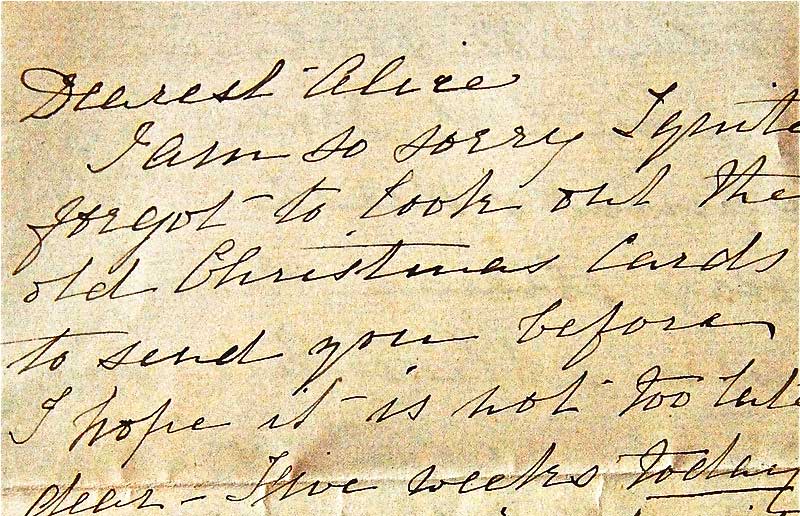
Despite these debates, the momentum remains squarely behind the return of the pen.
From California, which implemented its mandate in 2024, to the new laws taking effect for the 2026-2027 school year in the Northeast, cursive is being rebranded as a modern “foundational tool.” As schools look to bridge the gap between digital efficiency and cognitive depth, the looping letters of the past are once again becoming a requirement for the future.