


The Trump administration, led by Education Secretary Linda McMahon, has officially announced a structural overhaul that will transfer the multi-trillion-dollar federal student loan portfolio from the Department of Education to the Department of the Treasury, The New York Times reports.

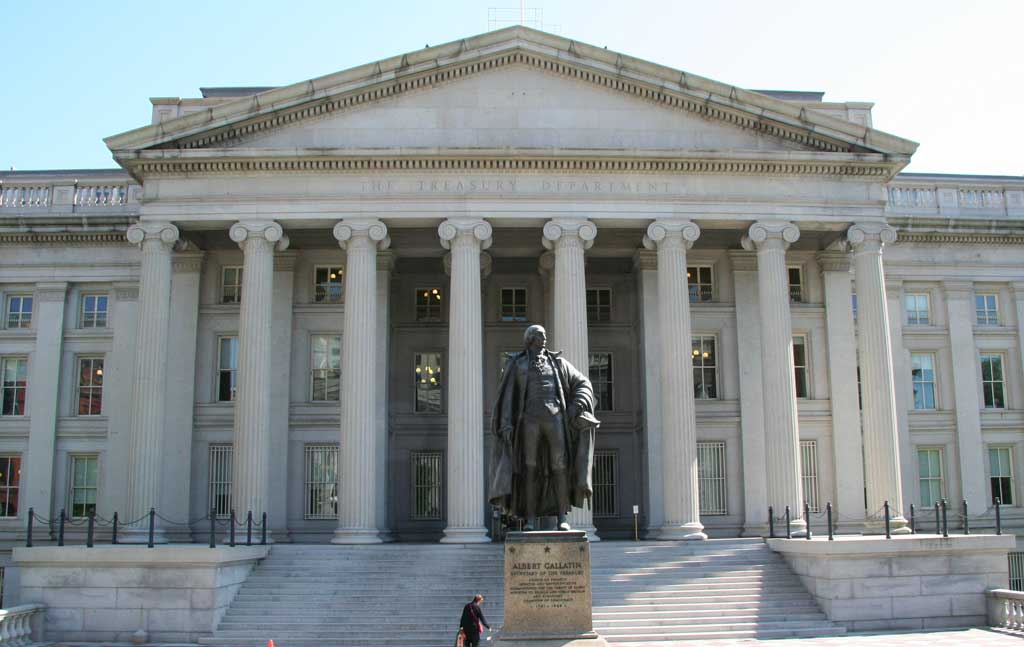
This move represents one of the most significant shifts in federal education policy in decades, aimed at treating student debt more as a financial asset and less as a traditional social service. Under this new alignment, the Treasury will oversee the collection and management of roughly $1.6 trillion in outstanding debt.
Proponents of the transfer argue that the Department of Education was never designed to function as one of the world’s largest banks. By moving these accounts to the Treasury, the administration claims it can achieve greater fiscal efficiency, reduce administrative overhead, and implement more rigorous data-driven management of loan repayments.
This shift is also seen as a step toward simplifying the federal government’s balance sheet and centralizing financial collections under a single, specialized agency. It is also viewed by many on both sides of the debate as a significant step toward President Donald Trump’s goal to close the Education Department, NPR noted.
Critics and student advocacy groups have raised concerns about how this transition might affect borrower protections and existing forgiveness programs.
Unlike the Department of Education, which operates under a mandate to support student success and educational access, the Treasury is traditionally focused on revenue collection and debt management. There is significant debate over whether the Treasury will maintain the same level of flexibility for income-driven repayment plans or if the shift signals a move toward a more strictly commercial approach to student lending.
As the transition begins in mid-2026, millions of borrowers are waiting for guidance on how their day-to-day interactions with loan servicers might change. While the administration promises a “seamless” handoff, the logistical complexity of migrating data for over 43 million Americans is immense.
This government action is part of a broader “MAHA” and “DOGE” effort to streamline federal agencies, but its ultimate success will be measured by whether it results in a more stable financial system or creates new hurdles for those pursuing a degree.