Upcoming eclipse sparks interest in astronomy By Paul Katula • Jul 1, 2017 The Very Large Array in New Mexico showed signs of a slight uptick in interest in astronomy on the part of US children and families.
For early math, let kids count on their fingers By Press Release • Jun 23, 2017 Should kids be taught to count on their fingers when figuring out simple arithmetic? New research suggests the pedagogical tool may be good after all.
Forgetting trivia helps us remember what’s important By Press Release • Jun 22, 2017 Our brain is wired to remember what we learn over the long term, but it may be just as important that we forget details that won't get us anywhere.
US teachers harbor climate change misconceptions By Press Release • Jun 7, 2017 US science teachers have some of the same misconceptions about climate change as the general public, and they need more support.
Better to teach genetics before evolution By Press Release • May 26, 2017 Getting students to understand a tough concept like evolution could be better if you teach them the fundamentals of genetics first.
Continued brain training can help concussion victims By Press Release • May 23, 2017 Learning about the brain after traumatic brain injury can help with the long-term recovery process; how the training works is a mystery.
Kids exposed to traffic pollution show DNA damage By Press Release • May 21, 2017 Doctors may one day be able to model the cell-level effects of exposure to traffic-related air pollution using telomere length in our cells.
Elementary academics better with vision screening By Press Release • May 17, 2017 If elementary students get good vision screenings, some research suggests they may experience better academic outcomes.
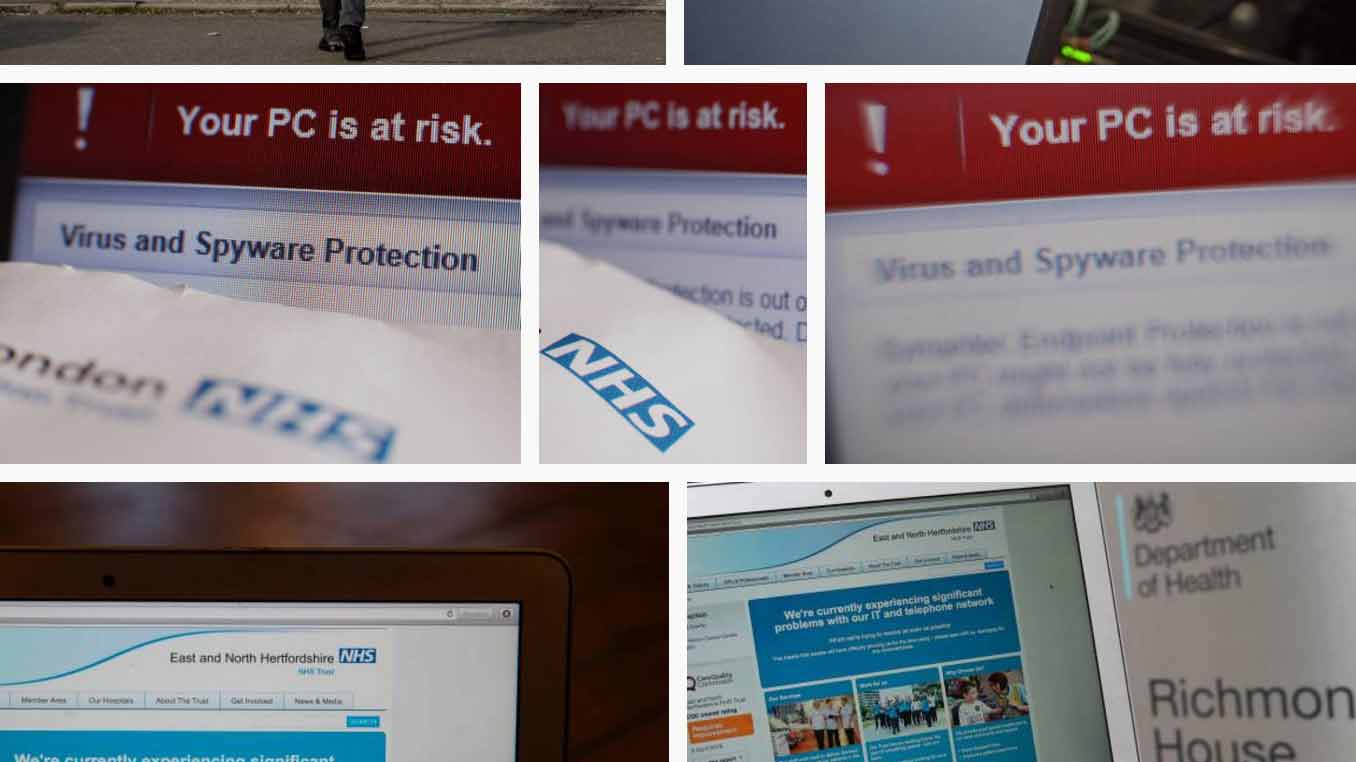
Cyberattack ransomware may have aftershocks By Paul Katula • May 14, 2017 A ransomware cyberattack has hit more than 150 countries and is spread by users clicking a link in illegitimate email.
Do young people squander learning opportunities? By Paul Katula • Apr 26, 2017 Teens sure do use technological devices a lot. The question is: What are they learning from them? And how can teachers learn what they're learning?