
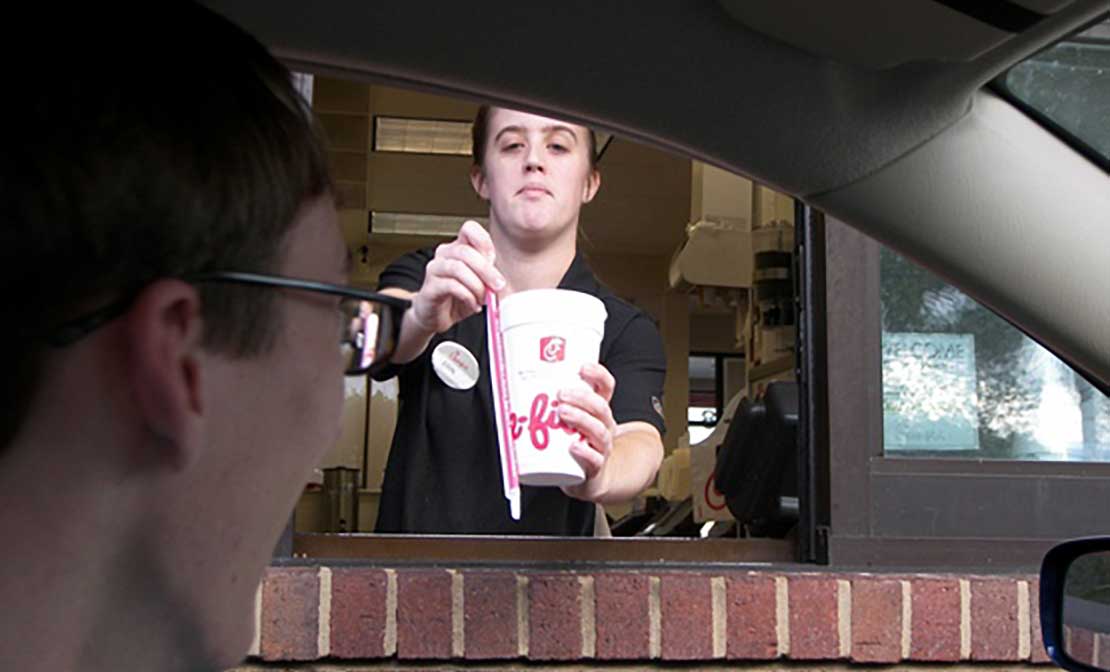
For many high school students, the end of the school day doesn’t mean rest. It signals the start of another shift. Across the country, teens are juggling classes, sports, extracurriculars, and part-time jobs. From Florida to California, their stories show both the challenges and the rewards of stepping into the workforce while still in school.
(Jimmy Snell/Flickr Creative Commons)Manola Prat at Immaculata-La Salle High School in Miami, Florida, highlighted in her school’s student newspaper how part-time jobs teach responsibility, accountability, and financial independence. Beyond earning money for gas, clothes, or going out with friends, teens develop valuable skills in communication, teamwork, and problem-solving, which serve them well in college, careers, and life. As one junior put it, even small jobs demonstrate initiative to future employers or colleges, and supervisors can become mentors or references.
In New Jersey, Spencer Barrett at Gateway Regional High School in Woodbury Heights emphasized how getting that first job isn’t always easy. After a string of rejections, he finally landed a position by creating a detailed résumé, practicing interview questions with an AI chatbot, and finding a job that fit his personality. His advice to others: highlight any relevant experience, even from school activities, and don’t fake who you are in an interview. With effort and persistence, he found a part-time schedule that worked and gave him new confidence and friendships.
The focus turned to balance in Kentucky, where Paisley Reed at Woodford County High School in Versailles shared how working late shifts after school leaves little time for homework or rest. Some athletes even face tough choices between keeping a job and continuing with a sport. A sophomore at Woodford County described how she might have to step back from work during track season to avoid being overwhelmed. The lesson? Time management is key, and sometimes students need to prioritize academics or extracurriculars over extra hours on the clock.
And Reese Keller at Stone Bridge High School in Ashburn, Virginia, pointed out in her school’s student newspaper that jobs can be fun as well as formative. Scooping ice cream or lifeguarding may not sound glamorous, but those jobs come with people skills, customer service experience, and even friendships that make the shifts enjoyable. For other students, side hustles like lawn mowing turn personal interests into entrepreneurial opportunities. Whether working with friends or strangers, students there emphasized that jobs build empathy, communication skills, and independence.
Finally, on the West Coast, Rylee Perry wrote in the student newspaper at Hughson High School in California about why students work in the first place. For some, it’s extra spending money; for others, it’s helping their families pay bills. She stressed the importance of setting boundaries and keeping schoolwork the top priority. “You gotta prioritize what’s important,” she quoted one senior as saying. “You have to put your grades first. You have to put work secondary and make sure that their hours can suit you.” Another student noted that working with people every day is itself rewarding, calling it “a blessing.”
Despite the different jobs and experiences, one theme keeps emerging: working while in high school is a trade-off. It can mean long hours, missed free time, and the stress of balancing responsibilities. But it also provides independence, confidence, and skills that can’t be taught in a classroom. From small towns to big suburbs, teenagers agree that their first jobs are about more than a paycheck; they’re about preparing for the future.