Big Ten ad campaign highlights impact of universities By Paul Katula • Sep 6, 2025 As the Trump administration slashes science budgets, 18 universities speak up to showcase the public good of discovery and innovation.
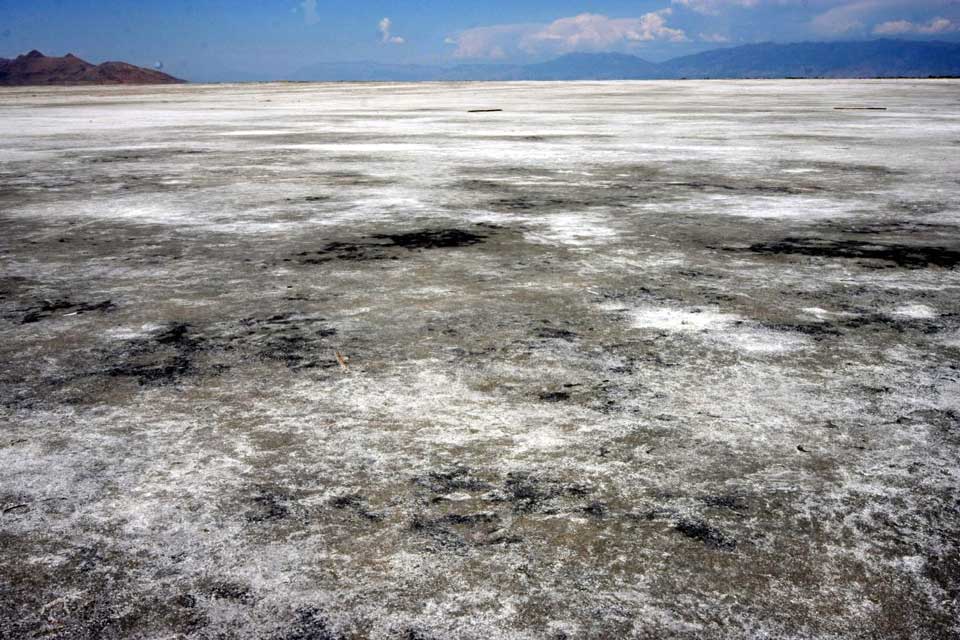
Great Salt Lake’s fragile future emerges from the mud By Press Release • Aug 26, 2025 Sediment cores reveal how Utah’s landmark lake was transformed by settlers, industry, and climate change, raising questions about its future survival.
Little Rock Central High opens a new science center By Paul Katula • Aug 19, 2025 Nearly 70 years after desegregation, the school builds toward the future with a modern science facility and national honors for teaching.
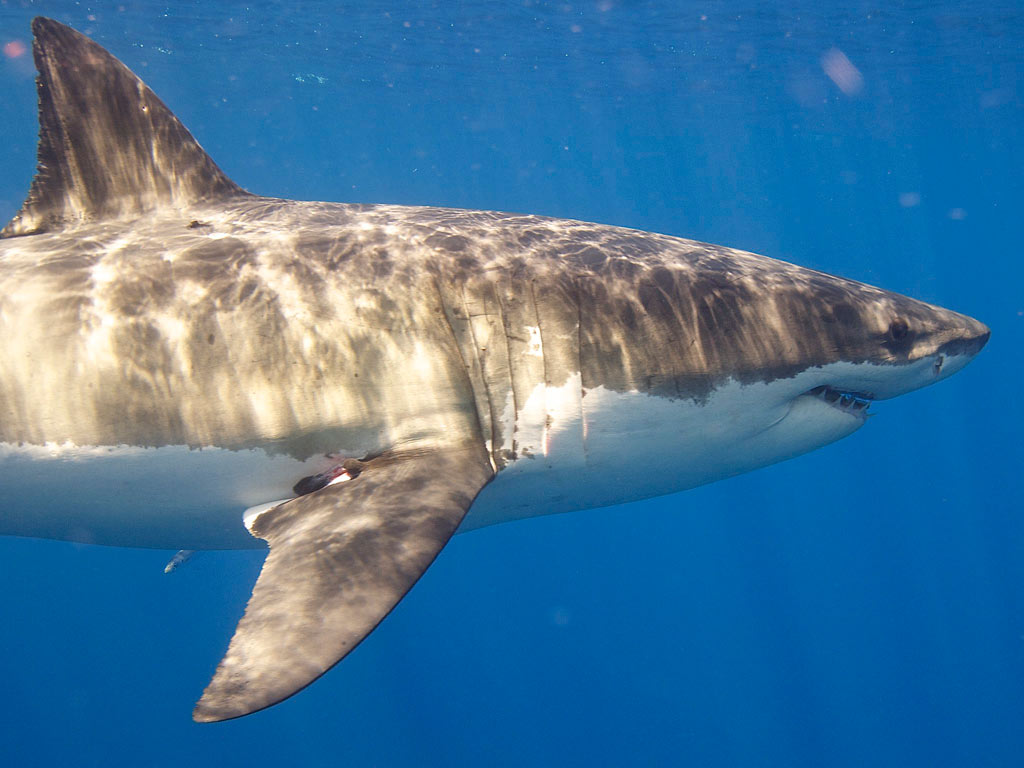
Great whites have a DNA mystery science can’t explain By Press Release • Aug 17, 2025 Once on the brink of extinction during the last ice age, great white sharks made a remarkable global recovery, but their DNA reveals a baffling story.
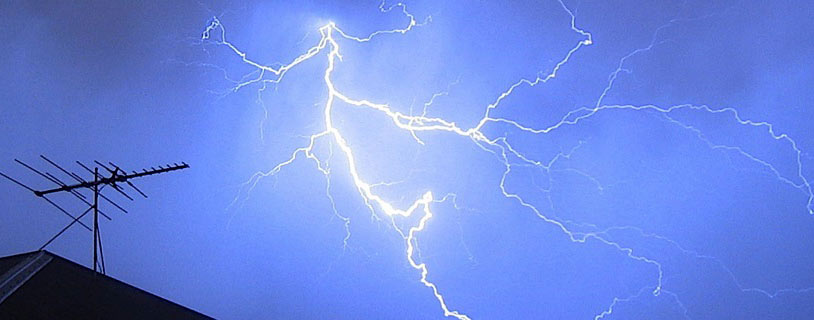
Scientists finally solve the mystery of lightning By Press Release • Aug 12, 2025 A Penn State-led research team has unraveled the long-standing mystery of how lightning begins inside thunderclouds.
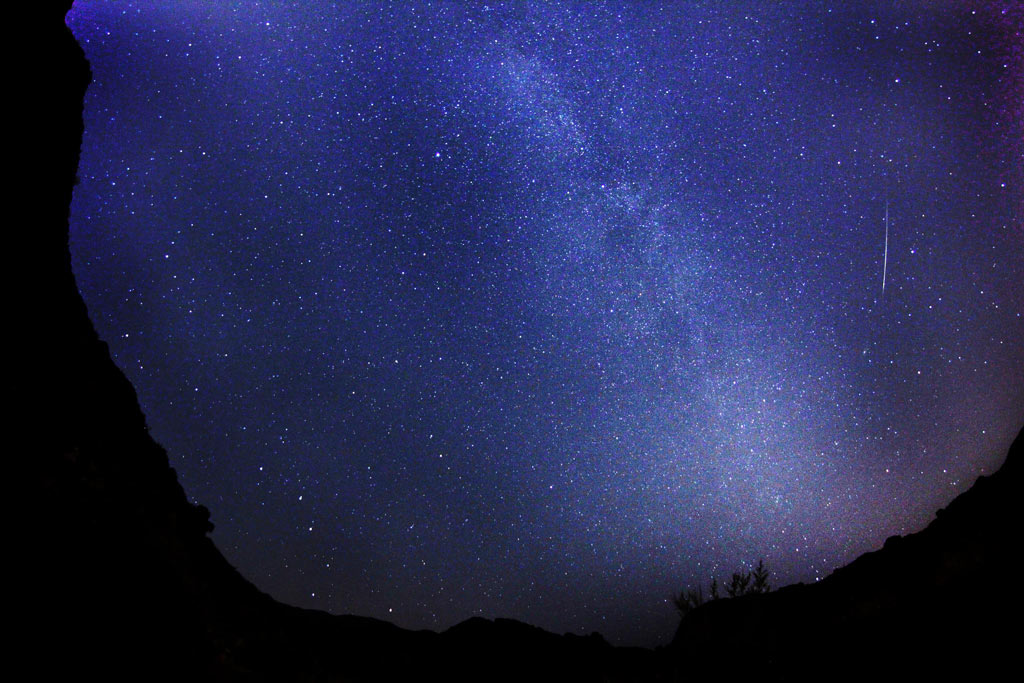
Perseids meteor shower to peak August 12-13 By Paul Katula • Aug 11, 2025 It's the annual show of shooting stars as Earth passes through the trail of dust and debris left by Comet Swift-Tuttle.
Hopkins scientists grow a mini human brain By Press Release • Aug 5, 2025 Scientists at Johns Hopkins have grown a tiny, living human brain model, opening new possibilities for studying brain disorders.
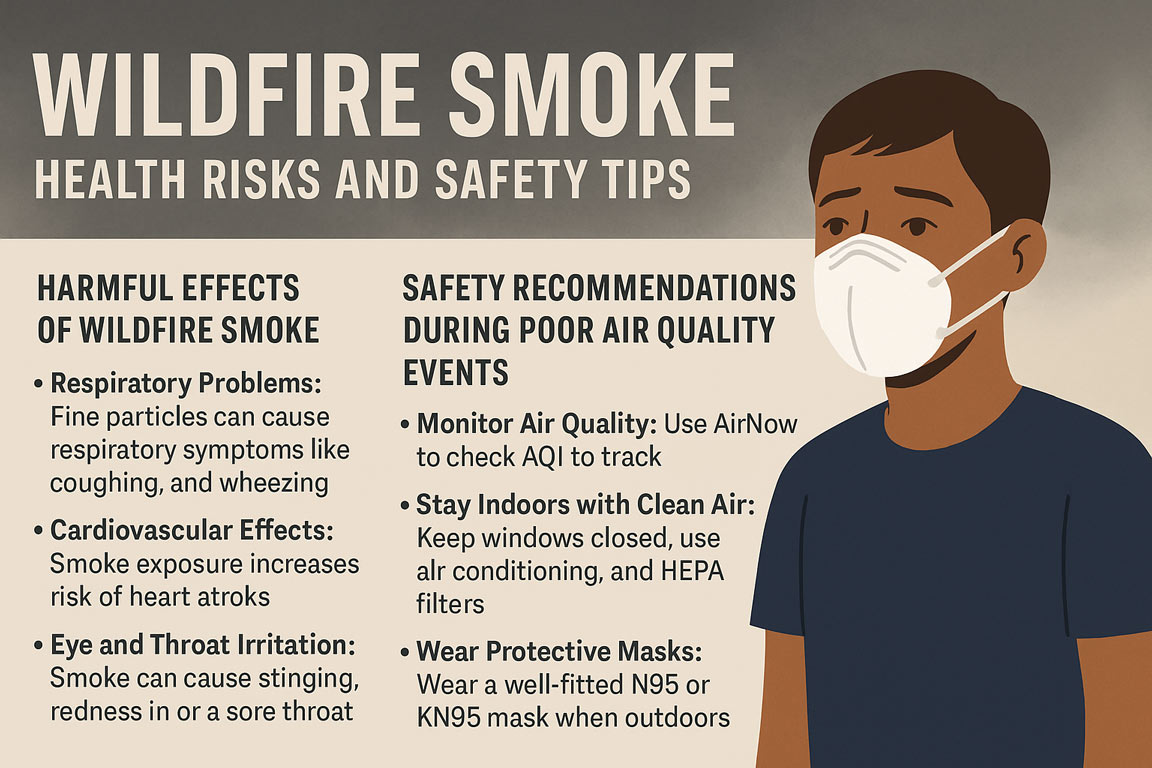
Canadian wildfires threaten Midwestern residents By Paul Katula • Aug 1, 2025 The many risks of wildfires, even hundreds of miles away from any flames, have come to the Midwest once again. Stay safe.
Strong earthquake off Russia produces weak tsunami By Paul Katula • Jul 31, 2025 A massive earthquake off the Kamchatka Peninsula in Russia created a tsunami that caused damage in Asia but not much in the US.
Perseids meteor shower at its peak Sunday night By Paul Katula • Aug 11, 2024 One of the most spectacular meteor showers peaks Sunday night: between 50-100 shooting stars per hour under optimal viewing conditions.