No benefit to hands-on learning in college physics? By Press Release • Jan 7, 2018 Physics experiments are hands-on. The pedagogical goal of learning physics may not be served, but certain labs still have value.
Kids praised for being smart more likely to cheat By Press Release • Sep 19, 2017 As opposed to praising kids for "doing a good job," praising them for "being smart" can backfire and increase their tendency to cheat.
FAIL: Mythbusting about learning styles By Paul Katula • Jul 28, 2017 We look, once again, at teen learning styles & propose that, while they are neuromyths, they can help instruction.
Flaw emerges in the theory of learning styles By Press Release • May 11, 2017 No support for education "experts" who think tailoring instruction based on "Learning Styles" (visual, auditory, tactile, etc.) actually works.
How to (p)raise successful kids By Paul Katula • Nov 28, 2016 Parents, coaches, and teachers can encourage kids to develop a growth mindset, as opposed to a fixed one. This will help them keep learning throughout life.
It’s better not to be the ‘bottom dog’ By Press Release • Oct 17, 2016 Middle school structure, like making it a K-8 school instead of a 6-8 school, might improve 6th graders chances of success, new research suggests.
Baltimore rapper tells teachers he’s not stupid By Paul Katula • Jul 6, 2016 How many different kinds of intelligence are there? An infinite number, actually. So why don't we teach based on those?
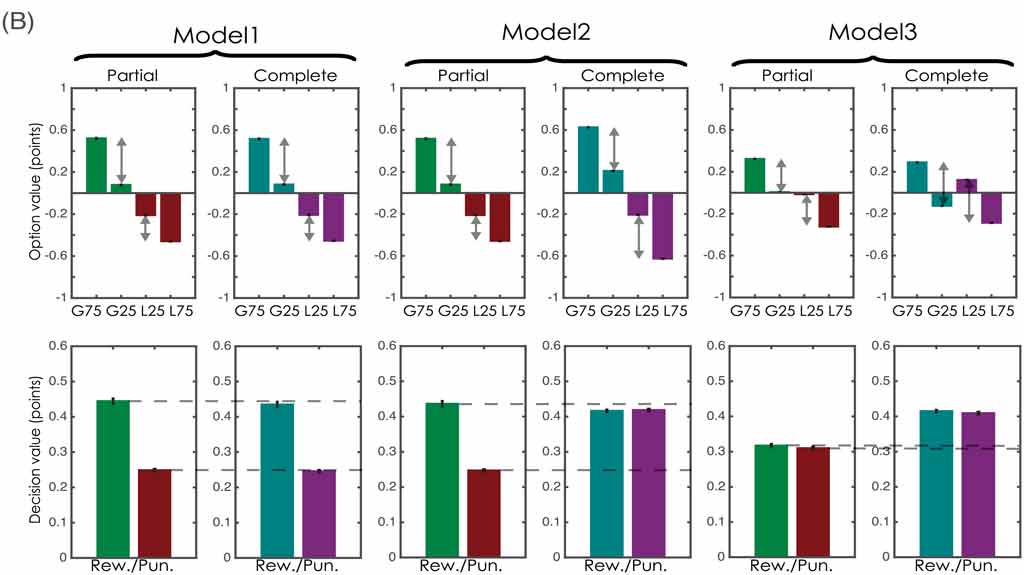
Teens learn better from rewards than punishments By Paul Katula • Jul 3, 2016 Risky adolescent behavior is well documented, but why does it happen and how can it be helped? Computational analysis has a few answers.
Mistakes are better teachers than perfection By Press Release • Aug 26, 2015 Maybe we learn more from our mistakes than we learn from getting things right from the beginning, new research suggests.
Which works better: Punishment or reward? By Press Release • Jul 29, 2015 A simple experiment devised at Washington U. suggests punishment, even small, is more likely than reward to influence behavior.