Common chemicals affect child brain development By Press Release • Jul 5, 2016 A new study that includes scientists from the Univ. of Ill. suggests we aren't doing enough to protect children from chemicals that may impair brain development.
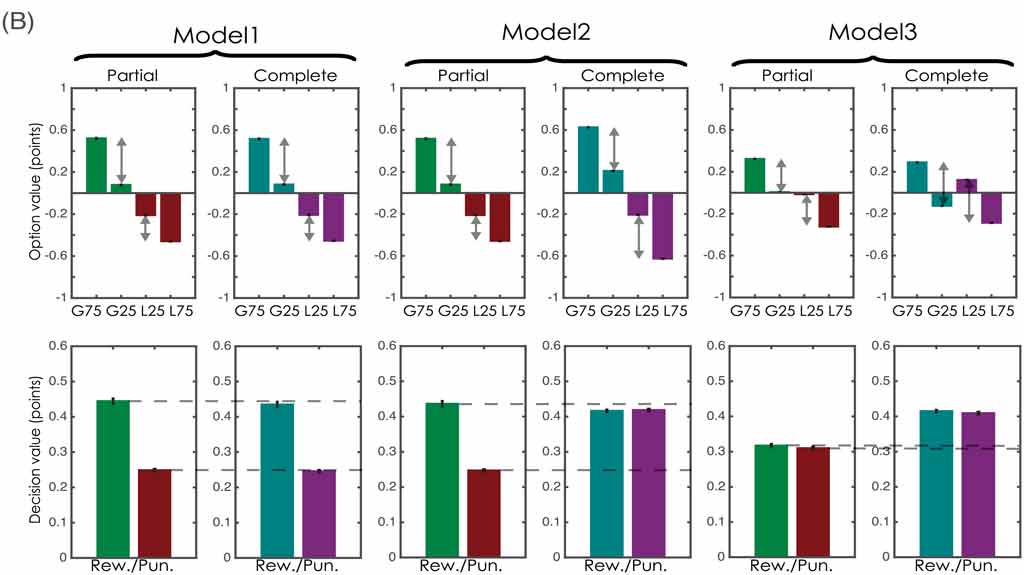
Teens learn better from rewards than punishments By Paul Katula • Jul 3, 2016 Risky adolescent behavior is well documented, but why does it happen and how can it be helped? Computational analysis has a few answers.
US announces school web accessibility agreement By Press Release • Jul 2, 2016 When schools or school districts (public ones) build websites, they ought to make sure students and others with disabilities can access that content.
Quinn the robot teaches geometry in groups By Press Release • Jul 1, 2016 A robot is helping students learn geometry. Research points us toward moving students into collaborative groups, away from 1-to-1 device use.
Common Core math may set unrealistic goals By Paul Katula • Jun 22, 2016 The Common Core has been controversial, especially for our youngest students, and a survey conducted over a year ago suggests changes may be in order.
Tech helps a school in S.D. eliminate grade levels By Paul Katula • Apr 28, 2016 Can grade levels be eliminated in elementary school in favor of educational groups that are more aligned to student progress in each subject?
Genetics may play a role in abnormal psych By Press Release • Apr 27, 2016 The role of genetics is being investigated, as scientists look for a way to treat patients with autism, ADHD, depression, and schizophrenia.
Severe storms rake nation’s midsection By Paul Katula • Apr 26, 2016 Severe storms raked through Kansas, Oklahoma, and even as far east as Indiana Tuesday afternoon. Tornadoes and 4-inch hail were reported.
Geometry PARCC question: similar triangles By Paul Katula • Apr 26, 2016 What are the different ways of proving one triangle is similar to another triangle? AA, and what else?
Railcar implosion physics stacks the deck By Paul Katula • Mar 25, 2016 A railcar can implode, given a sufficient difference in air pressure outside compared to air pressure inside the railcar.