The KIPP Charter Schools Network has announced the upcoming closure of KIPP Soul Primary School and KIPP Soul Academy in Atlanta at the conclusion of the 2025-2026 school year, CBS News reports.
This decision impacts about 122 staff members and hundreds of students. Many families expressed surprise and concern regarding the timing of the announcement. While KIPP officials characterized the move as a difficult but necessary step and pledged to support the community through the transition, the closures leave parents facing the immediate challenge of identifying new enrollment options for the next academic year.
New chapter checklist for Atlanta parents
For the parents at KIPP Soul Primary and KIPP Soul Academy, the news of a closure creates an immediate need for a clear, actionable path forward. Below is a checklist designed to help families navigate the Atlanta Public Schools (APS) transition process for the 2026–2027 school year, although some deadlines have already passed.
1. Know Your Dates & Deadlines
The window for school choice in Atlanta is time-sensitive. Missing a deadline can limit your options to your neighborhood “zoned” school.
- January 5 – February 27, 2026: The primary window to apply for other Charter Schools via the Apply APS Charter portal.
- January 12 – January 30, 2026: The window for General Administrative Transfers (GAT) if you wish to attend a traditional APS school outside your zone.
- March 9, 2026: Lottery results for charter schools are typically released.
2. Identify Your “Safety” School
Every student in Atlanta has a “zoned” neighborhood school based on their home address. Use the APS School Zone Locator to find your designated school. You can enroll here at any time, but it’s helpful to visit now to see if it meets your child’s needs.
3. Evaluate School “Fit” Beyond the Scores
While test scores (CCRPI) are public, research shows that “fit” and teacher quality are better predictors of student happiness.
- Ask about the Mission: Does the school focus on STEM, the arts, or a “No Excuses” model similar to KIPP?
- Check Class Sizes: Ask for the current student-to-teacher ratio in your child’s grade level.
- Look at Support Services: If your child has an IEP or 504 plan, confirm the new school has the specific staff to support those requirements.
4. Consider the Commute
Charter schools and “out-of-zone” transfers usually do not provide transportation. Calculate the daily commute. If you cannot provide a ride, look for schools along MARTA lines or those that offer subsidized MARTA passes.
5. Tour and Inquire
Before committing, attend an information session or schedule a tour.
- The “Vibe” Test: Does the school feel welcoming? Do students seem engaged?
- The Transition Question: Ask the principal: “How have you supported transferring students from closing schools in the past?”
These Atlanta closures follow a similar trend in the KIPP network, which plans to close seven schools within its Texas branch. KIPP Texas announced it would shutter schools across Austin and San Antonio, including KIPP Un Mundo and KIPP Camino, by the end of the 2026 school year. The organization cited an “unsustainable subsidy burden” caused by multi-year enrollment declines. This reflects a broader shift where charter networks, which rely on per-pupil funding, must close under-enrolled sites to protect the financial health of the remaining network.
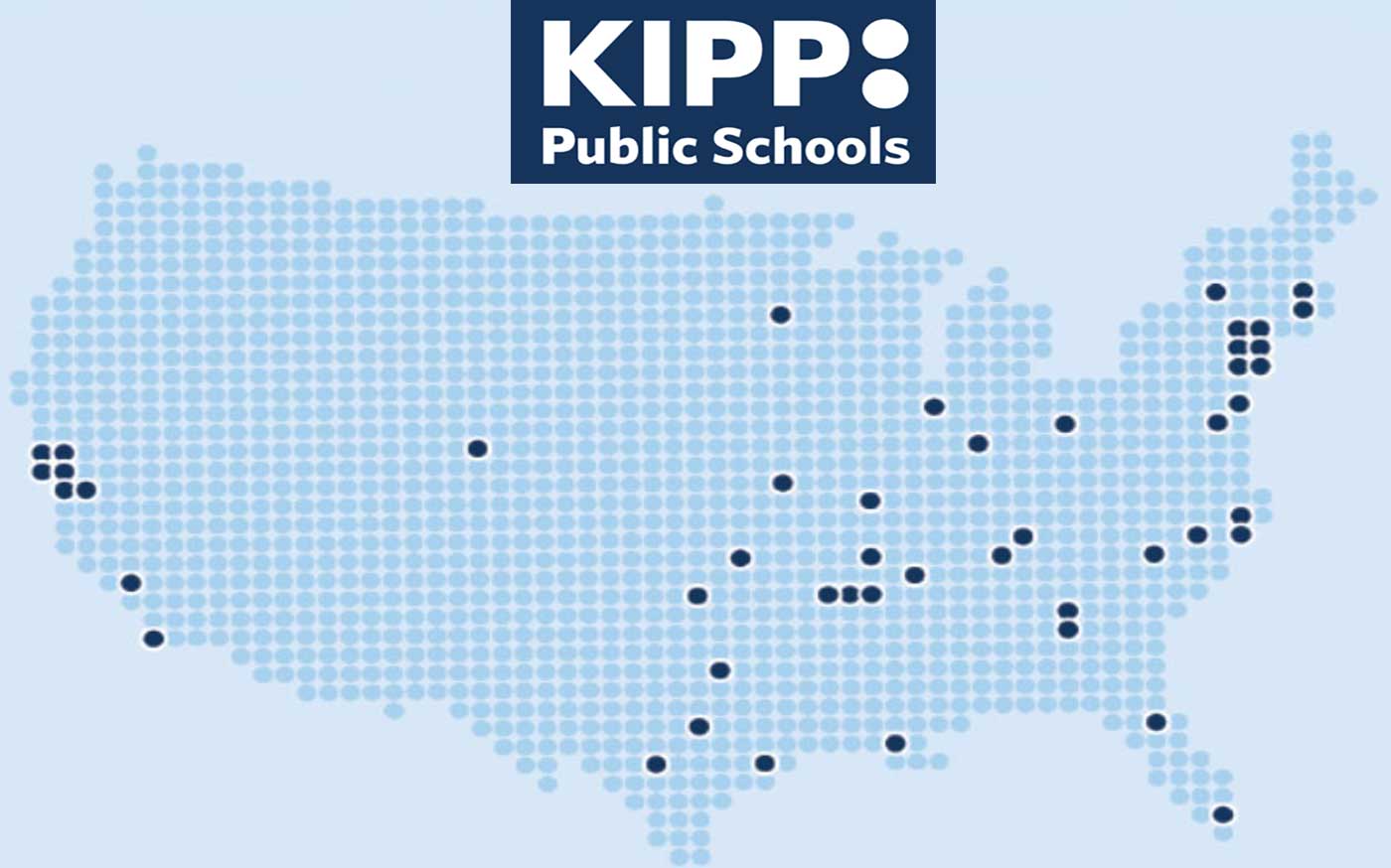
Founded in 1994, KIPP is one of the largest charter management organizations in the country, currently enrolling over 120,000 students across 279 schools. The network has historically been recognized for its “no excuses” academic model, though these recent contractions in Georgia and Texas highlight the operational volatility that can sometimes affect even the most established charter school systems.
The situation has reignited a broader debate regarding the “school choice” model and the stability of privately operated, publicly funded institutions. Proponents of charter schools argue that the ability to close underperforming or financially unviable campuses is a mark of accountability that protects student interests in the long run. Conversely, critics point to these sudden closures as evidence that treating education like a market commodity can lead to disruptive instability for families and staff, arguing instead for the consistent reliability of traditional, centrally managed public school systems.
The Bounce Back: What Happens After Closure?
The “KIPP transition” is a subject of intense academic study, and the data paints a nuanced picture of what happens when these schools close. While the initial “shock” of a school closure often causes a temporary dip in student performance, longitudinal studies suggest that the long-term outcome depends almost entirely on the quality of the receiving school.
Below is a breakdown of the academic data regarding students displaced by charter closures.
When a KIPP or other high-performing charter school closes, the immediate impact on students is often a “transition dip.” However, the long-term trajectory is a tale of two paths:
- The Transition Dip: Research from the University of Chicago and Tulane University shows that in the first year after a closure, students often experience a 10% decline in GPA and a 4% drop in attendance. Standardized test scores in math typically remain low for the first 12 months as students adjust to new routines and peers.
- The “Quality Leap” (The 3-Year Rebound): A major study of 246 charter closures found that by the third year, displaced students often outperformed their peers who were never displaced but only if they landed in a higher-quality school.
- Math Gains: Students moving to higher-performing schools gained an equivalent of 88 extra days of learning in math.
- Reading Gains: These same students saw an additional 58 days of learning in reading compared to their previous trajectory.
- The Risk of “Academic Probation” Schools: Conversely, the Consortium on Chicago School Research found that 40% of displaced students often end up in schools that are on academic probation or in the lowest quartile of the district. For these students, the “transition dip” often becomes a permanent downward trend, with higher dropout rates and lower college enrollment.
- The KIPP Persistence Factor: Interestingly, Mathematica research suggests that the benefits of KIPP are “cumulative.” While middle school alone provides a boost, students who persist through KIPP high school are twice as likely to graduate from a four-year college. For families in Atlanta and Texas, the primary concern isn’t just the closure, but the loss of that long-term “persistence” track.
While KIPP remains one of the largest and most recognizable charter networks in the US, its history includes several high-profile contractions driven by a mix of financial sustainability, enrollment shifts, and academic performance.
- California: In Los Angeles, KIPP SoCal announced the closure of three schools (KIPP Poder, Generations, and Ponder) in late 2023. More recently, in early 2025, KIPP Sol faced a renewal crisis: while it initially received a recommendation for closure due to declining academic results and high staff turnover, it narrowly managed to continue operations after a contentious appeal process.
- Missouri: KIPP KC has faced significant headwinds in 2026, reporting a 20% drop in enrollment in a single year. Staff have described a “revolving door” of leadership and operational disorganization, including issues with mold, payroll delays, and I/T failures, which has placed the school’s long-term viability in question.
- Georgia: The closure of KIPP Soul in Atlanta (scheduled for June 2026) was accelerated from an original 2028 timeline. Board members noted that the move was necessary because they could no longer guarantee the “level of staffing scholars need to succeed” under current enrollment numbers.
From a policy perspective, KIPP’s history illustrates the “double-edged sword” of charter school autonomy. Unlike traditional public schools, which rarely close due to enrollment dips alone, charter schools are designed to be “closed for failure,” whether that failure is academic or financial. KIPP leadership often frames these closures as “difficult but responsible” decisions intended to ensure that resources are not spread too thin. However, the human cost includes abrupt job losses for staff and a frantic search for new placements for families.