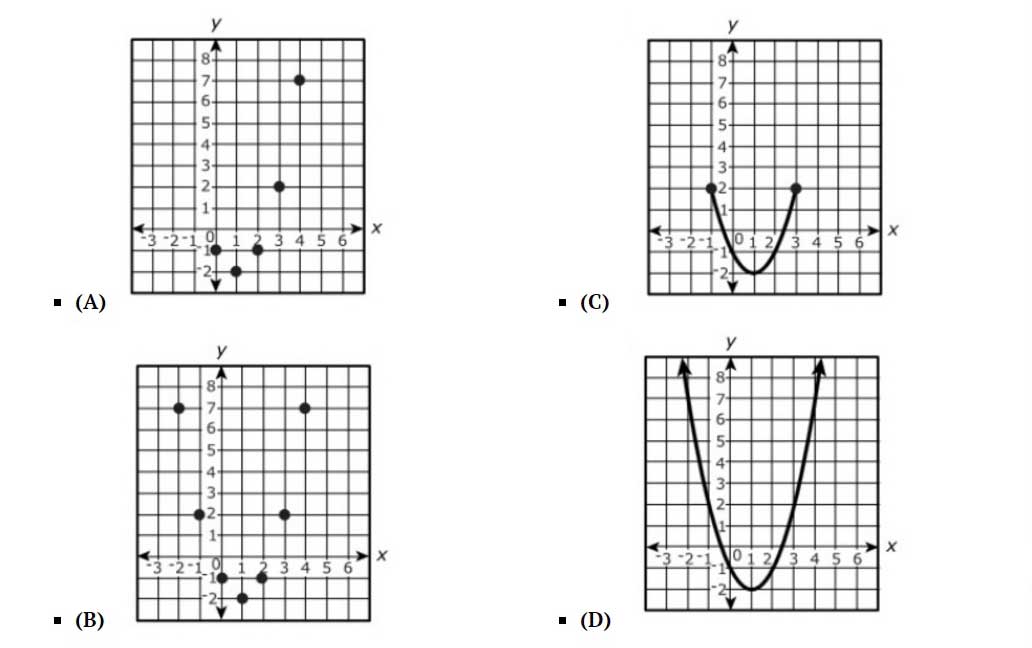
Algebra 1 PARCC question: graph of function By Paul Katula • Mar 4, 2016 The graph of a quadratic function is continuous; the domain is all real numbers, except in a few very special circumstances.
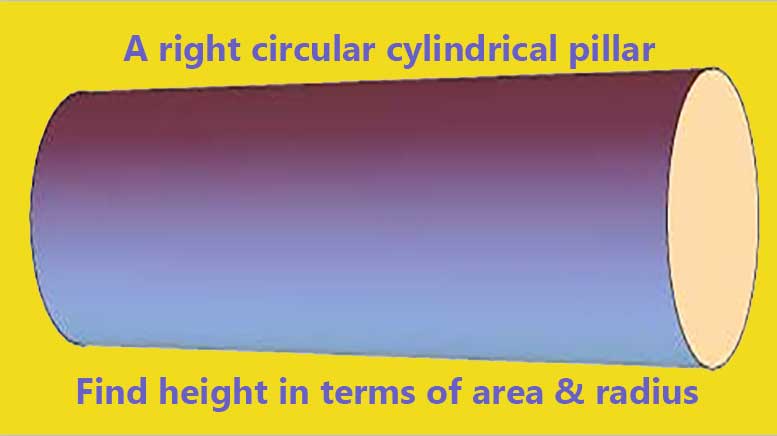
Algebra 1 PARCC question: rewrite formula By Paul Katula • Mar 3, 2016 The PARCC test in algebra 1 will require you to be able to rewrite formulas by algebraically rearranging them to solve for the variable of interest.
Algebra 1 PARCC question: rate of change By Paul Katula • Mar 2, 2016 In word problems, we compute the rate of change, the cost per pound, the number of cats we just have to buy, and lots of other quantities.
Algebra 1 PARCC question: multiply binomials By Paul Katula • Mar 1, 2016 You can use the FOIL method to multiply 2 binomials. It works for certain cases, but learning how to apply the distributive property is better.
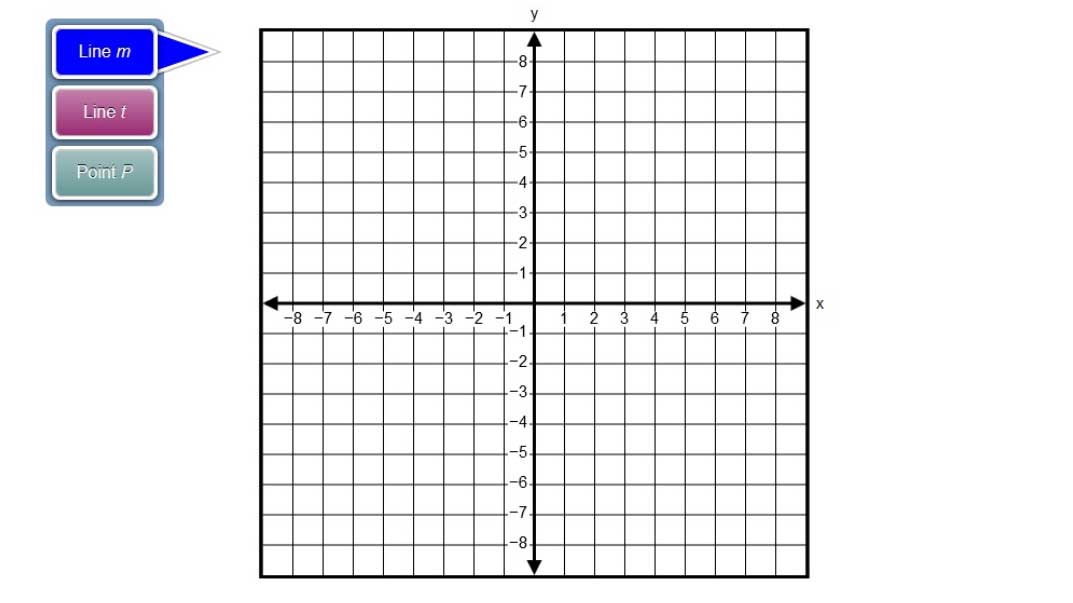
Algebra 1 PARCC question: graph y=mx+b By Paul Katula • Feb 29, 2016 It's possible to estimate the solution to a system of linear equations by graphing them on a coordinate plane. Here's PBA #4.
Algebra 1 PARCC question: quadratic zeros By Paul Katula • Feb 28, 2016 It's possible to find the zeros of a quadratic function (a parabola) by factoring it, provided there are real zeros for the function.
Algebra 1 PARCC question: linear functions By Paul Katula • Feb 27, 2016 How do you spot a "linear function" when given a table of values, a graph, a word problem, or an equation?
Brooklyn student says math skills are important By Paul Katula • Feb 22, 2016 Poll: How many high school students in the US should be required to take algebra and geometry? Are these skills needed?
Amazon creates site: With Math I Can! By Paul Katula • Feb 2, 2016 A new project from Amazon.com seeks to help students succeed in math by getting them to pledge that they will embrace their failures and learn from them.
Highest prime number so far has 22 mil digits By Paul Katula • Jan 21, 2016 The highest prime number discovered so far is a Marsenne prime with 22.3 million digits: 2<sup>74,207,281</sup>–1.