

In Seattle, the arrival of spring is linked to a “Story of Hope,” as Calliope eloquently describes in the student newspaper at the Lakeside School.
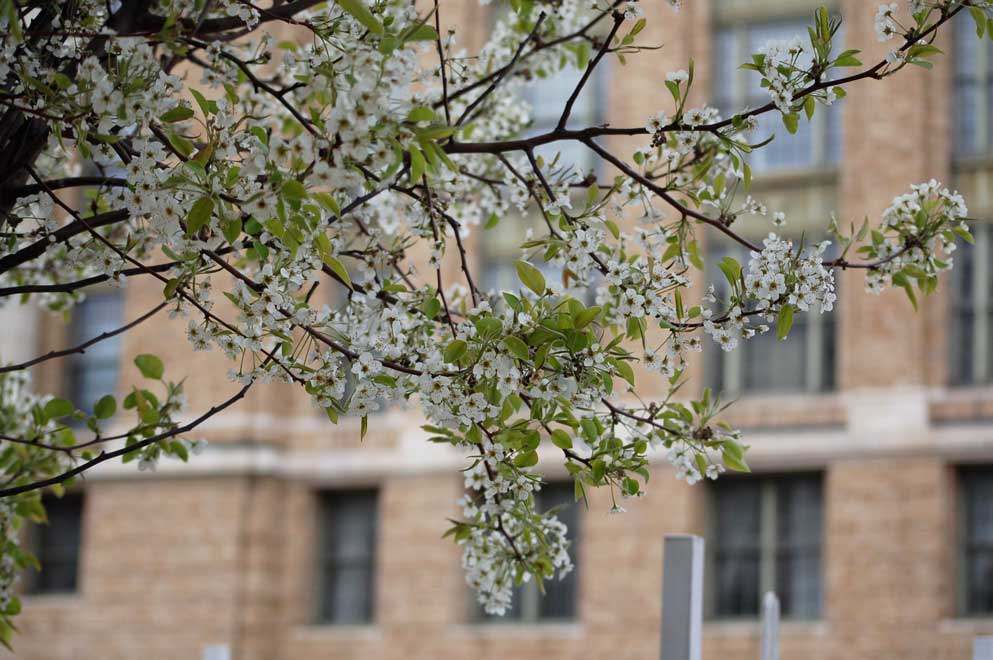 Cherry trees bloom in Washington, DC (Voxitatis)
While the Pacific Northwest’s dreary winter fades, the city’s 1,000 cherry trees, which were a 1976 gift of friendship from Japan, erupt into a whimsical display of pink and white. For Calliope, these blossoms are more than a photo opportunity; they are a living tribute to her great-grandparents, who found love while unjustly incarcerated in American camps during World War II.
Their resilience is celebrated annually at the Seattle Cherry Blossom and Japanese Cultural Festival, scheduled this year for April 10 at the Seattle Center (University of Washington quad and Seward Park).
Across the country in Washington, DC, the cherry blossom season carries a different energy. While Seattle centers its celebration on a specific cultural festival, the nation’s capital offers a sheer, immersive spectacle, celebrating international diplomacy.
There’s no single “festival day” per se; rather, the city transforms into a sprawling, month-long landscape of blooming canopy. This year, experts predict the peak bloom, defined as the moment 70% of the Yoshino trees around the Tidal Basin are open, will hit between March 29 and April 2.
The Climate Factor
Both cities are reporting an unusually mild winter in 2026, prompting an earlier-than-average budding process. In Seattle, varieties are already unveiling themselves ahead of schedule, while in DC, the “indicator tree”—a specific Yoshino that typically blooms a few days before the rest—is being monitored closely by the National Park Service for signs of an accelerated timeline.
Cultural Resonance
While Calliope reminds us of the “strong Japanese influence” in Seattle’s culinary and garden scenes, the DC blossoms serve as a reminder of the 1912 gift from Tokyo’s Mayor Yukio Ozaki. In both locations, the fleeting nature of the petals, which often last only four to ten days, encourages the ancient practice of hanami (flower viewing), a meditative pause to appreciate beauty that cannot be held for long.
