

The owner of Facebook and Instagram agreed Wednesday to make platform changes and pay financial penalties of $17.1 billion in response to a lawsuit claiming it had violated federal child privacy and states’ consumer protection laws, The New York Times reports.
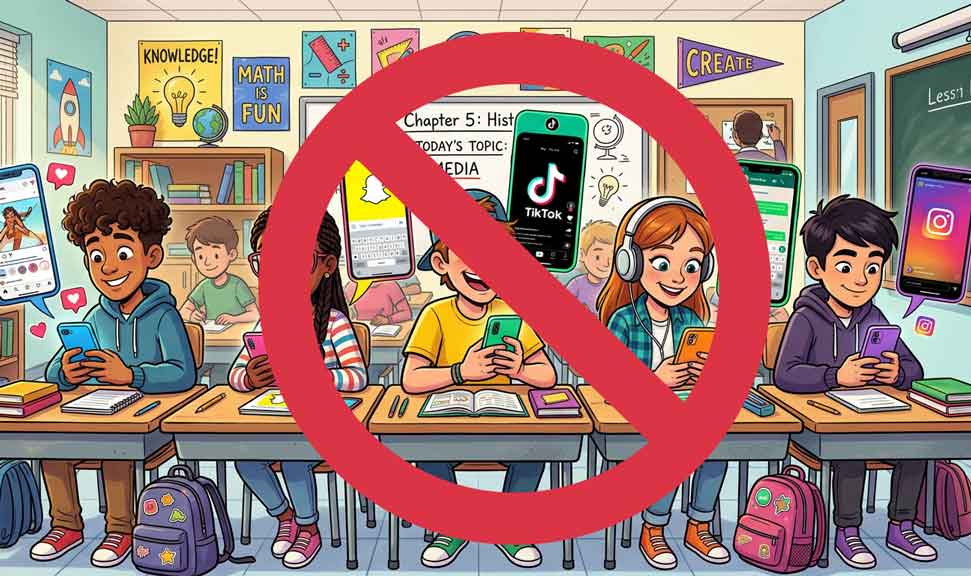
The District of Columbia, 47 states, and US terriroties sued Meta over claims of social media addiction. Meta also agreed to
- limit the time teens can spend on its platforms and
- ban features that could lead to mental health issues.
The changes are certain to impact the company’s business model of engagement for advertising, and Meta still faces several other lawsuits from school districts and individuals, some of which are scheduled for trial in the coming months.
“The focus of this case was to protect our kids: stopping notifications and alerts at night and when they are in school, encouraging them to take breaks from social media, protecting them against harmful features,” the Times quoted Colorado’s attorney general, Phil Weiser, as saying in a statement.
But will the changes actually have the desired effect of protecting teens and their mental health from online dangers?
Writing in The Wingspan, the student newspaper at Centennial High School in Ellicott City, Maryland, Sahil Prasad quotes an assistant principal as saying it’s going to take “more than big tech companies to get kids off of their phones.” He noted that, while the restrictions are a start, real digital wellness needs much more than time limits.
Some psychologists have even referred to the agreed-upon changes, which include limiting time on the platform to two hours a day, restricting the use of cosmetic surgery filters, and banning use between midnight and 6 AM and during school hours, as more or less a symbolic gesture. Although hard-pressed to find anything negative about the changes, these psychologists were less than enthusiastic about how effective the changes would be in reducing mental health problems among teens.
Studies like this meta-analysis out of the University of Wisconsin, Madison, and other studies have shown weak positive associations between problematic social media use and anxiety in teens, as well as positive associations between screen time and anxiety.
But the exact nature of the interaction between social media and mental health may be more complex than these direct correlations reveal. Social media screen time may, in fact, play a distinctly indirect route in causing mental health problems. Doomscrolling time cuts into sleep time, and the lack of sleep resulting from teens’ social media addiction, in turn, could have a negative impact on their mental health.
“We know that for many teens, the way they are using technology in general, the way they’re using social media, is getting in the way of their sleep,” the Times quoted Jacqueline Nesi, an associate professor of psychiatry and human behavior at Brown University, as saying.
