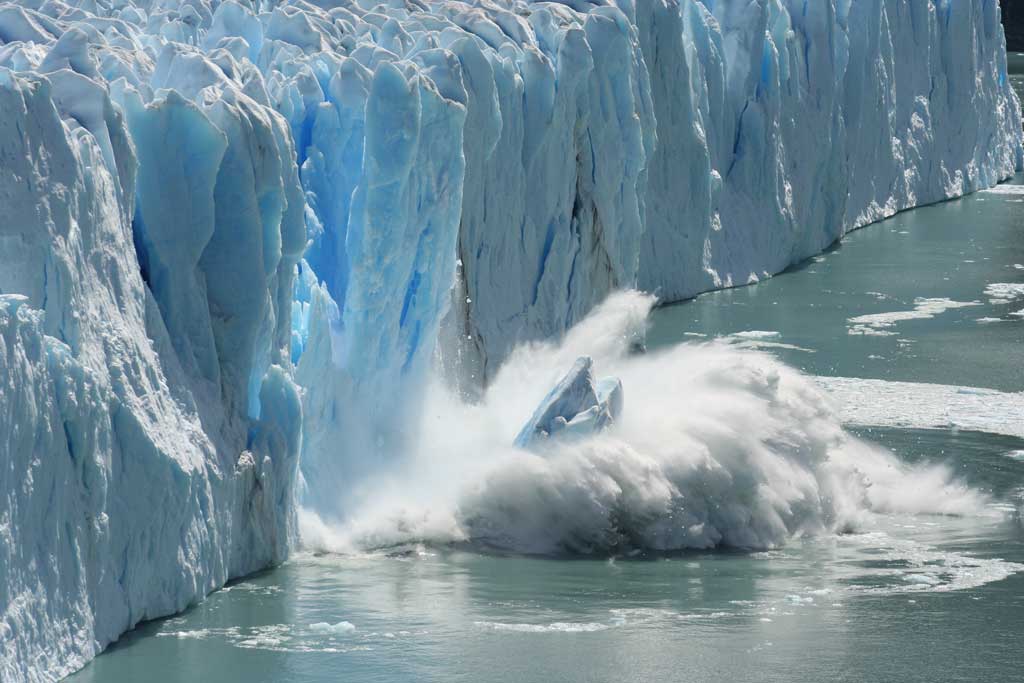
US teachers harbor climate change misconceptions By Press Release • Jun 7, 2017 US science teachers have some of the same misconceptions about climate change as the general public, and they need more support.
Better to teach genetics before evolution By Press Release • May 26, 2017 Getting students to understand a tough concept like evolution could be better if you teach them the fundamentals of genetics first.
Continued brain training can help concussion victims By Press Release • May 23, 2017 Learning about the brain after traumatic brain injury can help with the long-term recovery process; how the training works is a mystery.
Kids exposed to traffic pollution show DNA damage By Press Release • May 21, 2017 Doctors may one day be able to model the cell-level effects of exposure to traffic-related air pollution using telomere length in our cells.
Elementary academics better with vision screening By Press Release • May 17, 2017 If elementary students get good vision screenings, some research suggests they may experience better academic outcomes.
High school should start later than 7:30 By Press Release • Apr 24, 2017 Evidence is overwhelming that teens need to sleep to a comfortable time, which makes starting high school before 8:30 problematic.
Gene-editing tool shows promise for vision disorder By Press Release • Apr 21, 2017 CRISPR may allow researchers to deactivate a master switch gene in DNA to prevent the worsening of a blindness-causing condition
Pollution in the Chesapeake Bay is 200 years old By Press Release • Apr 20, 2017 Pollution, resulting in high nitrogen levels in the Chesapeake Bay estuary in Maryland, did not start building after World War II but about a hundred years earlier.
Jupiter in opposition today. Wow! By Press Release • Apr 7, 2017 The world's beauty is joined by extraterrestrial beauty, and since Jupiter is now closer to Earth than it has been in a year, NASA took some pics.
Breakthrough might save the Great Barrier Reef By Press Release • Apr 6, 2017 Starfish feed on coral & can wipe out big sections of Australia's Great Barrier Reef. But scientists are figuring out ways to solve that.